Hydrojetting for Professional Drain Cleaning
There are few sounds in a building more emotionally complicated than a drain that gurgles back at you. It is not quite an alarm, not quite a complaint, more like the plumbing clearing its throat before delivering bad news. A slow sink can be ignored for a while. A tub that drains like it is considering retirement can be tolerated by a patient household. But when the floor drain burps, the kitchen line backs up during dinner service, or the restroom at a business turns into a shallow indoor pond, patience leaves the room wearing wet shoes.
That is where professional drain cleaning earns its keep. Not the half-hearted poking and hoping that happens with a plunger, not the bottle of mystery liquid that promises miracles and smells like regret, but actual diagnostic work by a trained Plumber who understands how the system is laid out, how fixtures connect, and when a clog is a symptom rather than the disease. Hydrojetting belongs in that professional toolkit. Used correctly, it can be one of the most effective ways to clean a drain line rather than merely open a temporary path through the blockage.
The difference matters. A drain that is “open” can still be dirty, restricted, or primed to clog again next week. A drain that has been properly cleaned gives wastewater somewhere to go without staging a rebellion.
What hydrojetting means in real drain work
Hydrojetting is a professional drain cleaning method that uses a specialized stream of water to scour the inside of a drain or sewer line. The basic idea is wonderfully plain: water goes in under controlled force, debris moves out, and the pipe gets a more thorough cleaning than many mechanical methods can provide on their own. The execution, however, is not a backyard science project. It requires the right equipment, the right access point, the right judgment, and a clear sense of what the piping can safely handle.
A rooter service can be excellent for breaking through an obstruction. In many service calls, that is exactly what needs to happen first. A cable machine can punch through a soft blockage, retrieve certain obstructions, or restore flow in a line that has fully stopped. Hydrojetting takes a different approach. Instead of simply boring a hole through the mess, it washes the pipe walls and carries away buildup. That distinction is why professionals often talk about opening a line versus cleaning a line.
Picture a greasy kitchen drain. A cable may carve a path through the buildup, and the sink starts draining again. Everyone cheers. The dishwasher runs. Life resumes. But the remaining grease clinging to the pipe is still there, waiting like a villain in a sequel. Hydrojetting is designed to remove more of that residue, reducing the chance that the same line will clog again after three busy weekends, one holiday meal, or one enthusiastic batch of bacon.
That does not mean hydrojetting is always the answer. Good tradespeople are not tool collectors looking for excuses. They diagnose first. Sometimes the problem is a collapsed section, a bad connection, a fixture issue, improper slope, root intrusion, or a blockage better handled another way. Sometimes the line needs inspection before anyone sends serious water into it. The best drain cleaning decision is not “use the biggest machine.” It is “use the method that fits the condition of the system.”
Why professional drain cleaning is not just a plumbing chore
Plumbing, heating, and air conditioning sit in the same practical universe of building comfort and function. They are distinct trades, but they overlap in real life because buildings do not care how we label service categories. A homeowner may call about a clogged floor drain and, in the same week, need air conditioning repair, water heater repair, or furnace repair service. A commercial property manager may coordinate drain cleaning, air conditioning maintenance, lighting work, and a gas installation service without ever getting the luxury of solving one neat problem at a time.
That is why professional judgment matters. A contractor working around plumbing and mechanical systems needs to understand the building as a working organism. HVAC contractors specialize in installing and maintaining heating, ventilation, and air conditioning equipment. Their work can include installation, maintenance, repairs, duct cleaning, and plumbing or electrical work associated with heating and cooling equipment. Electrical work is its own classification, and an Electrician or Lighting contractor handles work that belongs in that lane. The point is not that one person should do everything. The point is that competent service companies know where systems touch, where they should not touch, and when to bring in the right specialist.
Drain problems can interact with the rest of a property in annoying ways. A clogged condensate line near cooling equipment can be mistaken for a roof leak. A floor drain near mechanical equipment can back up at precisely the wrong time, because pipes apparently enjoy drama. A utility room serving a water heater installation, heat pump installation, or air conditioning equipment may rely on proper drainage more than the owner realizes. When drainage fails in those spaces, the problem can look bigger than it is, or hide a bigger issue behind what looks like a simple clog.
Hydrojetting, then, is not a magic trick. It is one professional option inside a larger service context. A careful Plumber thinks about access, pipe condition, fixture behavior, venting clues, and what the customer has already noticed. That is the difference between “we made the water go away” and “we addressed the drainage problem.”
The clogs that deserve more than a quick poke
Some stoppages are simple. A bathroom sink full of hair and soap residue is not exactly a Shakespearean tragedy. A toilet blocked by an object someone definitely did not admit flushing may need direct removal, not a grand campaign. But certain clogs make hydrojetting worth discussing because they tend to coat the pipe, repeat often, or affect long horizontal runs.
Kitchen drains are common candidates because grease does not need to arrive in cartoonish amounts to cause trouble. It cools, clings, collects food particles, and slowly turns the inside of a pipe into a narrow hallway with sticky walls. Restaurants and busy home kitchens can both deal with this, though the scale is obviously different. Laundry lines can collect lint and residue. Main lines can gather sediment and debris. Lines with recurring slowdowns may need a deeper cleaning after the immediate obstruction is relieved.
Tree roots are a special case. Rooter service has a name for a reason. Roots can invade vulnerable sewer lines and create dense obstructions. Hydrojetting may help clear root material in some circumstances, but the underlying reason roots entered the line still matters. If there is an opening, crack, joint issue, or other defect, the line may invite the roots back like a terrible recurring guest. Clearing the line can restore use, but repair decisions may follow if the condition of the pipe calls for it.
The phrase “professional drain cleaning” should imply more than muscle. It should include restraint. If a line is fragile, damaged, poorly supported, or otherwise questionable, sending water through it without proper evaluation can be a poor choice. The customer may want the fastest possible fix. The contractor’s job is to provide the safest effective fix, even if that means slowing down long enough to inspect, test, or explain the trade-off.
The practical difference between cabling and hydrojetting
Cabling and hydrojetting are often treated like rival teams, as if one must defeat the other and hoist a tiny plumbing trophy. That is nonsense. They are different methods for different conditions, and many drain calls benefit from using them in sequence or choosing one based on what the line is telling us.
A cable machine is often used to break through a blockage and restore flow. It can be fast, direct, and effective. Hydrojetting is more about washing the line and moving debris out. When a pipe has heavy internal buildup, that cleaning action is the point. A cable may open enough space for water to pass. Hydrojetting aims to leave less material behind.
The judgment call depends on access, pipe condition, the type of obstruction, and the history of the problem. A first-time clog in a single fixture may not call for hydrojetting. A main line that clogs repeatedly and serves several fixtures might. A commercial kitchen line with chronic grease problems is a different animal from a rarely used guest bath sink. Good service is not one-size-fits-all. One-size-fits-all belongs on ponchos and even those are suspicious.
What a careful technician looks for before jetting
Before hydrojetting, the professional has to make sure the work makes sense. The technician should identify where to access the line, how the drainage system is behaving, and whether there are signs that suggest a larger problem. This is where experience saves money, mess, and awkward conversations.
A drain system gives clues. Multiple fixtures backing up at once suggest a different issue than a single slow sink. Gurgling may point attention to the way air and water are moving. Water appearing at a floor drain can indicate the stoppage is downstream of that point. A recurring backup after previous cleaning raises questions about buildup, roots, slope, or pipe condition. None of those clues should be treated as a final diagnosis by themselves, but together they guide the next step.
A responsible Plumber also considers what else is near the affected area. Is the drain in a mechanical room with heating equipment? Is there air conditioning equipment nearby with condensate drainage? Is the property undergoing plumbing repiping, water softener installation, or water heater installation work that may have changed usage patterns or exposed older piping? Is a septic system service involved because the building does not discharge to a municipal sewer? These details matter because drainage is part of a larger system, not a lonely pipe having a bad day.
Here is a short pre-jetting sanity check that separates methodical service from “hold my coffee” plumbing:
- Confirm the affected fixtures and whether the issue is isolated or system-wide.
- Locate a proper cleanout or safe access point.
- Consider pipe age, material, condition, and any signs of damage.
- Decide whether inspection or another clearing method should come first.
- Protect the work area so the cure does not create a cleanup documentary.
That list is short because the real work is in the judgment behind it. Anyone can say “check the pipe.” The professional question is what the evidence means once you have checked it.
Hydrojetting in homes, businesses, and the weird places in between
Residential hydrojetting usually comes up when a homeowner has a stubborn main drain, recurring kitchen blockage, or a line that keeps slowing down after ordinary service. Home drain systems can be deceptively simple until they are not. One bathroom behaves. The other gurgles. The washing machine sends water somewhere it should not. The kitchen sink drains fine until the disposal runs, then suddenly everyone becomes a drainage theorist.
In commercial buildings, the stakes climb because downtime costs money and inconvenience spreads quickly. A clogged restroom in a retail space is not charming. A kitchen drain problem during a lunch rush is a small opera of panic, towels, and staff members pretending not to swear. Professional drain cleaning in those settings often focuses on reliability and scheduling as much as the immediate fix. Hydrojetting may be part of planned maintenance for problem lines, especially where buildup is predictable.
Then there are mixed-use properties, older buildings, additions, and remodels where drainage layouts have grown over time like a family tree no one updated. These places reward technicians who ask questions before dragging in equipment. A line that was easy to understand on paper may have been modified hydrojetting near me by three owners, two contractors, and one cousin with unusual confidence. Hydrojetting can still be useful, but the access and direction of cleaning matter.
When drainage problems are really building-system problems
A drain clog is sometimes only a drain clog. Other times, it is a sign that maintenance has been treated as a rumor. Buildings need regular attention. The same property that skips air conditioning maintenance may also ignore slow drains until they stop. The same owner who delays an air conditioning tune-up may delay water heater repair until there is no hot water, then wonder why everything fails on a Friday evening. Equipment and plumbing are polite for a while, then they invoice you emotionally.
A skilled Air conditioning contractor or Heating contractor works in a world where maintenance prevents many expensive surprises. Proper HVAC installation includes correct equipment sizing and refrigerant charging, and proper charging of an air conditioner or heat pump can help reduce energy consumption and lower failure risk. That principle has a plumbing cousin: proper service and maintenance reduce the chance that small problems become large, soggy ones.
This does not mean hydrojetting should be scheduled for every pipe on a calendar without thought. It means recurring drainage trouble should not be treated as normal. If a drain needs emergency clearing every few months, something deserves investigation. Grease habits may need to change. A line may need a different cleaning approach. Roots may be entering. A pipe may be damaged or poorly pitched. Septic system service may be relevant if the property uses a septic system. The recurring bill is telling a story. It is usually not a romance.
How hydrojetting fits with repair and replacement decisions
Hydrojetting cleans. It does not replace broken pipe, correct a bad installation, repair a collapsed line, or magically improve a drainage layout that never worked properly. This is where honest contractors earn trust. A customer may hope a cleaning service will solve everything. Sometimes it will. Sometimes it reveals the next decision.
If a line clears and stays clear, excellent. If it clears but clogs again quickly, the conversation changes. If cleaning exposes evidence of damage or chronic intrusion, repair options may need to be discussed. Plumbing leak repair, spot repairs, or larger plumbing repiping projects belong in a different category from drain cleaning, but they may follow the diagnosis. The same logic applies across mechanical trades. Air conditioning repair is not the same as replacing a failing system. Furnace repair service is not the same as redesigning a heating system. Water heater repair is not the same as water heater installation. The right choice depends on age, condition, cost, safety, and expected service life.
Hydrojetting can be a smart step because it gives the system a fair chance. Cleaning a line thoroughly can help determine whether the issue was buildup or something more structural. But it should not be sold as a cure for every recurring sewer problem. That kind of promise belongs in late-night commercials next to exercise gadgets and pans that allegedly survive lava.
The customer’s role, glamorous as it is not
Customers do not need to become plumbers. Please do not start naming your cleanouts and buying work gloves unless that brings you joy. But property owners can make drain service more effective by sharing useful history and being honest about symptoms. If the kitchen sink has been slow for six months, say so. If someone used a chemical drain cleaner, mention it. If the line was cleared twice last year, that matters. If roots were found before, that matters too.
A technician showing up blind can still work, but better information helps. Drain systems are physical, local, and specific. The more the Plumber knows about what happened, where it happened, and how often, the better the odds of choosing the right method.
A few details are especially helpful:
- Which fixtures are affected and which still drain normally.
- When the problem started and whether it has happened before.
- Whether any recent plumbing, remodeling, or appliance work occurred.
- Whether the property uses a septic system or municipal sewer.
- Whether any drain chemicals or previous clearing attempts were used.
That is the second and last list, because nobody came here to read a grocery receipt of plumbing advice. The point is simple: good history leads to better diagnosis.
Why “more force” is not the same as better service
Hydrojetting has a satisfying reputation because it sounds decisive. Water under pressure. Debris removed. Problem solved. Cue heroic music. In real work, though, restraint matters as much as power. The goal is not to punish the pipe. The goal is to clean it safely and effectively.
Different drain lines call for different approaches. The access point, pipe size, pipe condition, blockage type, and downstream path all matter. A seasoned technician knows when to proceed, when to inspect, when to cable first, and when to stop. Stopping is underrated. Many expensive mistakes happen because someone decided the equipment must be right and the pipe must be wrong. Pipes do not care about your confidence.
This is also why hiring a qualified professional matters. Plumbing, heating, and air conditioning work falls into recognized trade categories because these systems affect building function, safety, comfort, and sanitation. HVAC contractors focus on heating, ventilation, and air conditioning systems. Electrical work is separately classified for good reason. Air-conditioning service and repair is recognized as its own service category. The trades have boundaries because buildings are complicated and mistakes travel. Water goes where gravity and openings allow. Electricity follows its own rules. Gas work deserves respect. Refrigeration and air conditioning systems require trained service. None of these systems reward improvisation by the wildly optimistic.
Hydrojetting and preventive maintenance, without the sales confetti
The best time to think about drain maintenance is before the drain makes you cancel plans. For some properties, hydrojetting is strictly a response to a problem. For others, especially businesses with predictable buildup, it may be part of planned maintenance. The decision should be based on use, history, and risk. A quiet household with no recurring drain issues does not need to turn drain cleaning into a hobby. A restaurant line with repeated grease accumulation may benefit from proactive scheduling.
Preventive work is familiar in HVAC. Air conditioning maintenance and an air conditioning tune-up are routine ways to keep cooling equipment operating properly. Heat pump installation, furnace service, and heating system maintenance all benefit from competent planning and follow-through. Plumbing has its own version of that thinking. Water softener installation may address water quality concerns in some properties. Water heater installation should be done correctly so the system performs as expected. Drain cleaning should be approached with the same practical mindset: understand the condition, match the service to the need, and do not wait for failure to become theatrical.
A property manager who tracks drain calls can often see patterns. The same restroom group clogs after high-traffic events. The same kitchen line slows after busy weekends. The same utility drain backs up after heavy use. Patterns are useful because they turn emergencies into maintenance planning. That does not make drains exciting, exactly, but it does make them less likely to ruin a Tuesday.
What a good service conversation sounds like
A solid hydrojetting conversation does not start with a machine. It starts with questions. What is backing up? How long has it been happening? Has this line been serviced before? Are there cleanouts? Is this a home, business, or mixed-use property? Any septic system service involved? Any recent plumbing work? Those questions are not small talk. They are how the technician avoids treating a sewer line like a piñata.
The customer should also hear plain language about expectations. If hydrojetting is recommended, the contractor should explain why it fits the symptoms and what limitations exist. If inspection is recommended first, that should be explained too. If cabling is a better first move, say that. If the line may have structural concerns, do not bury the warning under cheerful promises.
The best contractors are not afraid of nuance. They can say, “This should clean the buildup well, but if roots have entered through a defect, they may return.” They can say, “We can restore flow today, but the history suggests we should look deeper.” They can say, “This drain is not a good candidate for jetting until we know more about its condition.” That honesty may not be as flashy as a guaranteed miracle, but it ages better.
A few unglamorous truths from the field
Drain cleaning is messy in more ways than one. Not always physically messy, though yes, sometimes impressively so. It is messy because symptoms overlap. A slow drain may be buildup, a venting problem, a partial blockage, a bad installation, or a line issue farther downstream. A backup may be local or systemic. A recurring clog may be user habits, pipe condition, or both. Anyone who diagnoses every drain problem in thirty seconds is either extremely lucky or selling confidence by the pound.
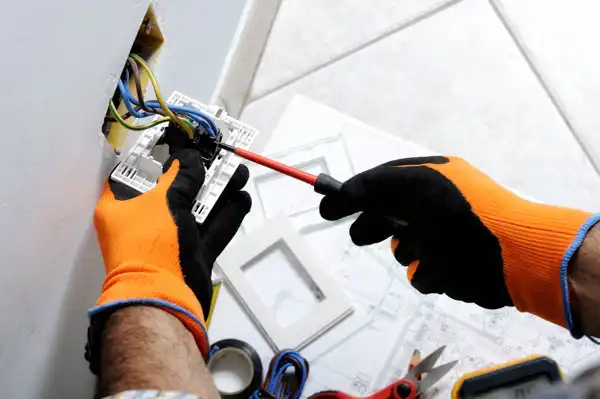
Hydrojetting shines when the problem calls for cleaning the pipe walls and flushing out accumulated material. It is less impressive when the real issue is broken piping, improper layout, or a non-drainage problem masquerading as one. That is not a weakness. A wrench is also bad at making toast. Tools have jobs.
The practical beauty of hydrojetting is that it can restore capacity in a line affected by buildup and help reset the maintenance clock. When paired with good diagnosis, it can reduce callbacks and improve drainage performance. When used carelessly, it can become expensive theater. The difference is the person operating the equipment and the thinking that happens before the water starts moving.
Choosing a contractor without needing a detective board
When hiring for hydrojetting or any professional drain cleaning, look for a company that treats the service as part of skilled plumbing work, not a stunt. The same standard applies when choosing an Air conditioning repair service, Electrician, Gas installation service, Heating contractor, or Septic system service provider. The contractor should understand the trade, respect the limits of the work, and explain the recommendation without drowning you in jargon.
A full-service plumbing and HVAC contractor may handle a broad range of work, from drain cleaning and rooter service to air conditioning repair, furnace repair service, water heater repair, water heater installation, heat pump installation, and related mechanical needs. That breadth can be useful, especially when a building has overlapping systems. Still, the important question is not how many services fit on the truck wrap. It is whether the company sends qualified people who know which service actually solves the problem.
Good service feels calm. Not slow, not casual, but calm. The technician gathers information, protects the area, chooses the access point, explains the method, and adjusts when the building reveals something unexpected. Bad service feels like a race between a machine and a guess.
The clean line is the goal, not the loudest machine
Hydrojetting has earned its place in professional drain cleaning because it addresses a stubborn reality: pipes do not just clog at one dramatic point. They accumulate residue, debris, grease, sediment, and sometimes root material along their interior surfaces. Opening a path may get water moving. Cleaning the line can do more.
But hydrojetting is not a personality type. It is not “the aggressive option” or “the premium option” by default. It is one effective method when the drain condition calls for it. The real premium is judgment. A capable Plumber knows when hydrojetting makes sense, when rooter service should come first, when inspection is wise, and when the conversation needs to shift toward repair.
A drain system that works properly is easy to ignore. That is its dream job. No applause, no drama, no gurgling monologues from the floor drain. Professional hydrojetting helps restore that quiet competence when buildup has taken over. And if there is one thing every building deserves, it is plumbing that does its work without demanding a standing ovation in wastewater.
Name: Service Lion Plumbing Heating Air Electric
Address: 521 W Briardale Ave, Orange, CA 92865, United States
Phone: (657) 567-7305
Website: https://callservicelion.com/
Email: [email protected]
Hours:
Monday: Open 24 hours
Tuesday: Open 24 hours
Wednesday: Open 24 hours
Thursday: Open 24 hours
Friday: Open 24 hours
Saturday: Open 24 hours
Sunday: Open 24 hours
Open-location code: R48R+WV Orange, California, USA
Map/listing URL:
https://www.google.com/maps/search/?api=1&query=Google&query_place_id=ChIJQU4LBWHV3IARtnABtyykSA4
Google Map:
Socials:
https://www.facebook.com/ServiceLionCA/
https://www.youtube.com/channel/UCR_L35QzsRTxYZtX8PxJvPw
Local Service Information
Service Lion Plumbing Heating Air Electric provides plumbing, drain, heating, air conditioning, and electrical services from its Orange, California location.The company serves homeowners and properties throughout Orange and communities across Orange County and surrounding areas.
Available services include plumbing repairs, water heater work, drain and sewer services, heating and cooling service, electrical repairs, panels, lighting, outlets, and related home-system work.
Service is available for residential properties as well as light commercial needs described within the company's local service-area information.
The company's website emphasizes locally operated service, coordinated home-system support, and practical scheduling for plumbing, HVAC, and electrical needs.
The matching public business listing shows the Orange location as open 24 hours a day, seven days a week.
For service information or scheduling, call (657) 567-7305 or visit https://callservicelion.com/.
The public map listing identifies the business at 521 W Briardale Ave, Orange, CA 92865 and can be used for location and direction information.
Popular Questions About Service Lion Plumbing Heating Air Electric
What services does Service Lion Plumbing Heating Air Electric provide?
The company provides plumbing, drain and sewer, heating, air conditioning, and electrical services. Its published services include plumbing repair, water heaters, drain clearing, sewer work, HVAC repair and installation, electrical repairs, panels, circuit breakers, lighting, outlets, and related services.
Where is Service Lion Plumbing Heating Air Electric located?
The matching business location is 521 W Briardale Ave, Orange, CA 92865, United States.
What areas does Service Lion Plumbing Heating Air Electric serve?
The company serves Orange County and surrounding communities. Its published service-area information includes Orange, Anaheim, Brea, Yorba Linda, Fullerton, Huntington Beach, Newport Beach, Costa Mesa, Irvine, Lake Forest, and additional nearby cities.
Is Service Lion Plumbing Heating Air Electric open 24 hours?
The matching public business listing shows the location as open 24 hours on Monday through Sunday.
Does Service Lion Plumbing Heating Air Electric work on drains and sewer lines?
Yes. Published services include drain clearing, rooter service, camera inspection, hydro jetting, sewer line repair and installation, water line work, slab leak detection, and trenchless sewer line repair.
Does Service Lion Plumbing Heating Air Electric provide heating and air conditioning service?
Yes. Its published HVAC services include air conditioning repair and installation, heating service, furnace work, heat pumps, air ducts, indoor air quality assessments, and thermostat installation.
Does Service Lion Plumbing Heating Air Electric provide electrical service?
Yes. Published electrical services include repairs and installations, electrical panels, circuit breakers, safety inspections, lighting, outlets and switches, surge protection, generators, and EV charging equipment installation.
How can I contact Service Lion Plumbing Heating Air Electric?
Call (657) 567-7305.
Email: [email protected]
Website: https://callservicelion.com/
Facebook: https://www.facebook.com/ServiceLionCA/
Landmarks Near Orange, California
Old Towne Orange Historic District
A central historic district and useful geographic reference point for the Orange community.
Plaza Park
A well-known public gathering point in the center of Old Towne Orange.
Orange Public Library & History Center
A civic landmark serving residents near central Orange.
Hart Park
A major public park and recreation area south of central Orange.
Eisenhower Park
A public park serving neighborhoods in northern Orange.
Santiago Oaks Regional Park
A regional recreation and open-space landmark on the eastern side of Orange.
Irvine Regional Park
A large regional park and recognizable reference point east of the city.
Orange Park Acres
A distinctive residential community and service-area reference point in eastern Orange.
El Modena
An established Orange neighborhood that provides a practical local coverage reference.
Glassell Street
One of the city's principal north-south streets and a useful route through central Orange.
Lincoln Avenue
A major east-west roadway serving northern Orange and nearby communities.
State Route 55
A primary regional freeway connecting Orange with other parts of Orange County.